Choosing a surface for a driveway rarely feels glamorous, but the decision shapes maintenance budgets, curb appeal, and the number of times you hire a paving contractor over a decade. Chip seal and asphalt paving are two common options that occupy different positions on the spectrum of cost, durability, and appearance. Below I offer practical, experience-based comparisons, sample calculations, and guidance for real-world decisions.
Why this matters Your driveway is a working surface that endures weather, vehicles, snowmelt, oil drips, and foot traffic. A low upfront cost can turn expensive if the surface fails early. Conversely, a higher initial investment makes sense only if the performance and lifespan justify it. Understanding what each method delivers in terms of cost, lifespan, maintenance, and installation realities helps you choose the right approach for your property and schedule.
How chip seal and asphalt paving differ at a glance Chip seal places a layer of liquid asphalt binder then embeds aggregate chips on top, typically one or two treatments. Asphalt paving, often called hot mix asphalt, is a compacted layer or layers of asphalt concrete laid with a paver and roller. The materials, equipment, and crew skills differ substantially, so the price signals the underlying work.
Cost components to consider When comparing costs, look beyond the headline price per square foot. Real-world projects include surface preparation, grading, base repair, drainage, edging, sealing, cleanup, and traffic control. Labor and local material prices vary. Winter and shoulder seasons can increase mobilization costs. If base repair is needed because the existing surface is failing, that will dominate the budget regardless of the surface chosen.
Typical cost ranges and what they mean Numbers vary by region, contractor, and the condition of the existing driveway. The following ranges reflect common market observations, expressed with caution and context.
- Chip seal: roughly 50 cents to 2.00 per square foot. Lower costs apply when contractors can work quickly, using a simple single-chip application over a sound base. Higher costs reflect double treatments, higher-quality aggregates, or extra prep and crack repair. Asphalt paving: roughly 2.00 to 6.00 per square foot for a new asphalt surface over an existing, well-prepared base. Prices toward the lower end represent a single 1.5 to 2.0 inch lift placed over a solid base. Higher prices cover thicker sections, full-depth replacement, premium mixes, and driveways requiring significant grading or drainage work.
Why ranges are wide These numbers stretch because materials and labor are locally driven, and because the condition of the substrate matters. A driveway with few cracks and solid base will fall at the lower end of the spectrum. One with base failure, rutting, or extensive drainage problems pushes costs upward. A typical suburban single-car driveway of 600 square feet will often cost a few hundred dollars for chip seal and a few thousand for asphalt paving, but the exact figures depend on the variables above.
Example calculations Work with round numbers to illustrate trade-offs.
600 square foot driveway
- chip seal at 1.00 per square foot: 600 for material and labor, plus 150 to 400 for crack repair and cleanup, so total roughly 750 to 1,000. asphalt paving at 3.50 per square foot: 2,100 for paving, plus 300 to 800 for prep or edge work, yielding roughly 2,400 to 2,900.
1,200 square foot driveway
- chip seal at 1.00 per square foot: 1,200 plus 300 to 600 for preparation and repairs, total roughly 1,500 to 1,800. asphalt paving at 3.50 per square foot: 4,200 plus 500 to 1,200 for prep or base repairs, total roughly 4,700 to 5,400.
These calculations include broad allowances for prep and finishing. If a contractor recommends full base replacement for asphalt, add 5.00 to 10.00 per square foot or more depending on excavation, base material, and compaction. For chip seal, if the underlying base is marginal, contractors often insist on at least localized repairs; otherwise the chip seal will fail quickly.
Lifespan and lifecycle cost Upfront cost is only part of the picture. Consider the lifespan and required maintenance over time.
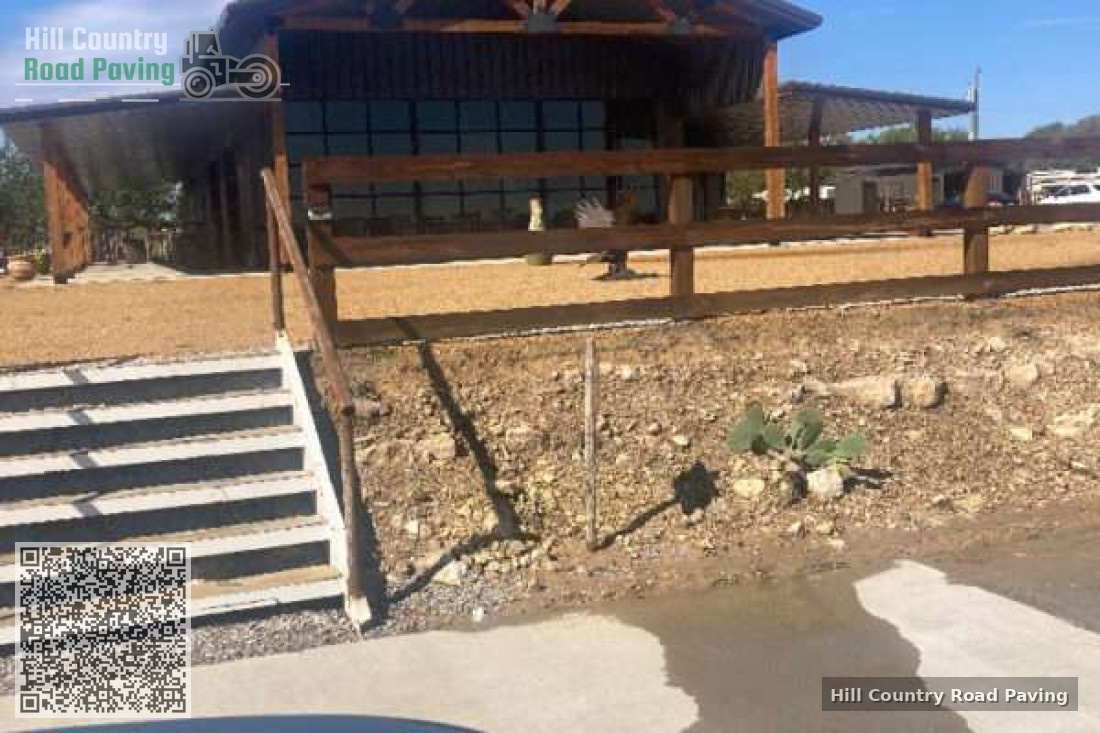
- chip seal lifespan: typically 5 to 12 years between significant treatments when applied to a stable base in moderate climates. In areas with heavy snow removal, sharp temperature swings, or high sun exposure, the service life tends to be shorter. Minor maintenance typically involves spot repairs and occasional reapplication. asphalt lifespan: typically 15 to 30 years for a well-constructed surface with periodic seal coating and routine maintenance. Heavy traffic, poor drainage, or thin lifts reduce lifespan. Seal coating every 3 to 7 years can extend life and improve appearance.
Evaluating lifecycle cost means estimating how long each surface will reasonably last on your site and what maintenance you can realistically perform. A chip-sealed driveway that needs retreatment every 6 years can remain cheaper over a decade than asphalt that requires costly repairs early due to poor base conditions. Conversely, a driveway that must withstand daily use by heavy vehicles favors asphalt.
Appearance and curb appeal Visually, asphalt presents a smooth, dark, uniform surface that many homeowners prefer. It hides stains reasonably well and offers a finished look that increases perceived property value. Chip seal yields a textured, stone-studded surface. Some homeowners like the rustic look of exposed aggregate; others find it less refined. Over time the chips may flatten and lose color uniformity, and loose stone occasionally tracks into the garage or house if not properly swept in the days after installation.
Safety and traction The aggregate in chip seal provides good early traction, especially when new. Loose chips can be a hazard for bicycles and high heels during the initial curing period until the binder locks them down. Asphalt offers a predictable, relatively smooth ride and stands up well to vehicles, but can be slippery when heavily polished by traffic or when oil accumulates without cleaning.
Weather and climate considerations Chip seal performs well in sunny, dry climates where UV degradation is a factor for asphalt. The reflective color of many aggregates keeps the surface slightly cooler than dark asphalt, which can matter on long driveway runs. In freeze-thaw climates with heavy winters and frequent deicing, asphalt’s flexibility helps resist cracking, but freeze-thaw cycles still cause problems without proper base and drainage. Chip seal is more susceptible to water infiltration if not well sealed and if cracks develop; water under the chips lifts the binder and shortens life.
Installation realities Chip seal installation is fast when crews can move uninterrupted. Equipment requirements are lighter: a distributor truck for the binder, followed by chip spreading and compaction. For asphalt paving, you need a paver, rollers, and a supply of hot mix asphalt. Asphalt installation requires careful temperature control, compaction, and edge work to prevent water intrusion.
Base condition rules the choice A recurring point from field experience: the state of the base is the most important determinant of success. If the base is failing, no surface treatment will last. For minor surface cracking and cosmetic wear, chip seal can be effective and economical. For structural problems, pulling up the surface, reconstructing the base, and installing a properly graded asphalt section is usually the only durable choice.
Common misconceptions
- "Chip seal is only for low-quality jobs." Not true. Properly specified and applied chip seal is a legitimate, cost-effective surface for many applications, particularly rural driveways and low-traffic areas. "Asphalt never needs maintenance." Asphalt benefits greatly from regular maintenance such as seal coating and crack filling. Ignoring maintenance shortens lifespan and raises long-term costs. "Chip seal fixes drainage problems." It does not. Chip seal is a surface treatment, not a structural fix. Address drainage and base issues before surfacing.
Choosing a contractor Hire a paving contractor with local references and experience with the surface you want. Request examples of recent work, and drive by completed driveways if possible. A good contractor will evaluate the base and recommend the correct solution rather than sell the cheapest surface. Ask for an itemized estimate that separates preparation, repair, and surfacing costs.
Questions to ask a contractor
- What is the condition of the base and what repairs are recommended, including costs? What aggregate and binder materials will you use, and can I see samples? Do you provide a timeline and warranty for workmanship? How will you protect my landscaping and manage cleanup? Will you plane or remove existing material if necessary, and at what additional cost?
Maintenance expectations For chip seal, hillcountryroadpaving.com Paving contractor expect to sweep loose stone in the days after application and to avoid traffic heavy with sharp-turning vehicles for a short curing period. Periodic spot sealing and reapplications every 5 to 10 years maintain performance. For asphalt, scheduled crack filling and seal coating every 3 to 7 years preserves binder and color, prevents water infiltration, and extends life.

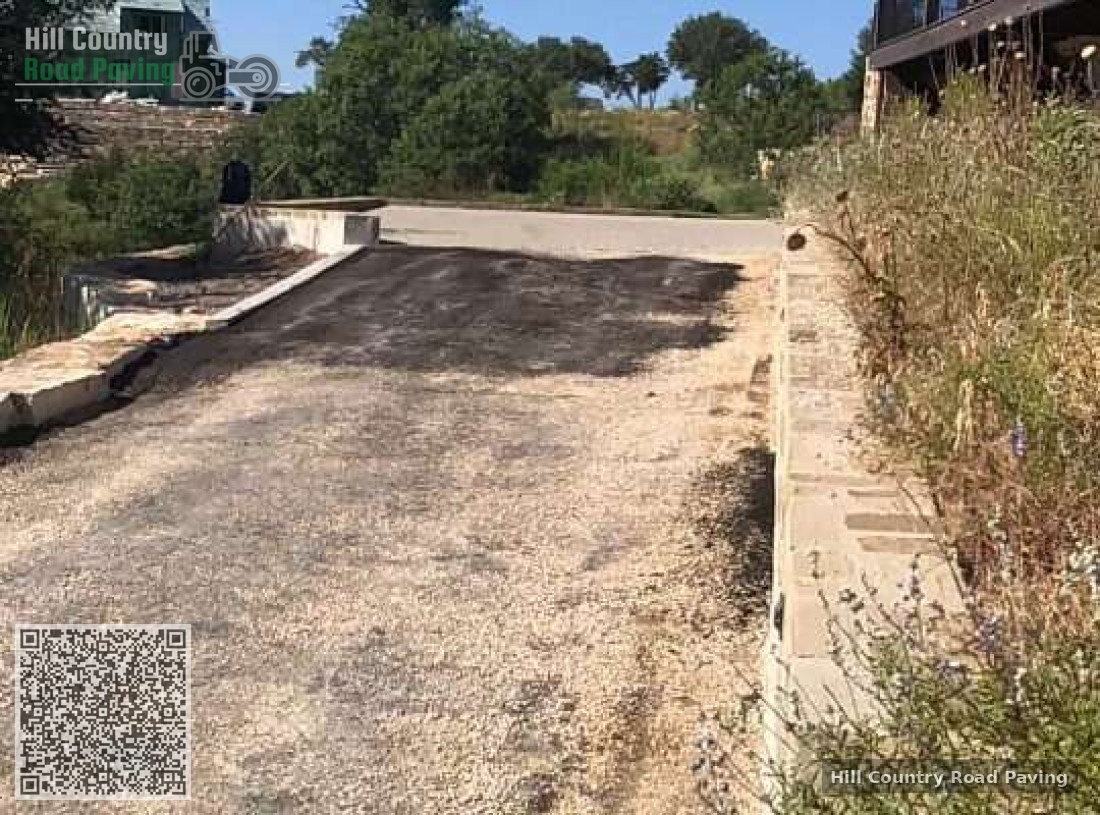
Environmental and practical trade-offs Chip seal uses a thinner layer of asphalt binder and local aggregates, which can reduce material transport and energy use compared with hauling hot mix asphalt. Asphalt paving involves higher energy inputs during production and requires hot mix delivery, but it often lasts longer, which can amortize the environmental cost over a longer service life. Consider local recycling options. Many asphalt plants supply recycled asphalt pavement blends that reduce virgin material use.
Edge conditions, borders, and landscaping Pay attention to edges. Asphalt benefits from concrete turns or stable edging to prevent raveling. Chip seal edges can shed stone if unsupported, so install solid edging or a concrete curb if the driveway abuts soft soil. Poor edges lead to accelerated deterioration regardless of surface type.
When chip seal makes sense Chip seal is compelling when your budget is limited, the existing base is sound, traffic volumes are low to moderate, and you prefer a lower-carbon, less material-intensive option. It also serves well as an interim treatment to extend a surface between major reconstructions. Many municipal roads with low traffic use chip seal effectively for decades.
When asphalt paving makes sense Choose asphalt when you need a smooth, durable surface that will carry moderate to heavy traffic, when aesthetics matter, or when you plan to keep the property and want the long-term value. Asphalt is also preferable when you have heavy vehicles, frequent snowplowing, or commercial use.
Anecdote from the field I once consulted on two neighboring homes with similar driveways and budgets. One owner chose chip seal to save initially and accepted periodic retreatments. The second chose asphalt after the contractor demonstrated a small area of base failure that chip seal would not solve. After six years, the chip-sealed driveway had worked fine but needed reapplication, while the asphalt driveway required only routine sealing and showed no structural issues. The lifetime costs were similar after 12 years, but the asphalt owner avoided two mobilizations and the inconvenience of reapplying chips. That detail mattered to the owner with a busy schedule.
Warranty and liability considerations Understand warranties. Many contractors offer a workmanship warranty for a limited period. Material warranties are rare for chip seal because performance depends heavily on base condition and application. For asphalt, some contractors offer short-term warranties that exclude base failure and drainage problems. Get warranties in writing and clarify who is responsible for post-installation damage such as washouts, oil stains, or tracking.
Final decision framework Select the surface that balances upfront budget, expected lifespan, required maintenance, and how much disruption you will tolerate for repairs. If the base needs work, invest in structure rather than a cheaper surface. If the base is sound and you want a low-cost, quick treatment, chip seal can be the right choice. If you expect heavy use, want better driveability, or prefer a long-term surface with minimal recurring treatments, asphalt paving is usually the better investment.
If you want help estimating for your property, provide driveway dimensions, current surface condition, anticipated vehicle loads, and local climate. With those details, I can walk through a tailored cost estimate and a prioritized list of required repairs.
Business Information (NAP)
Name: Hill Country Road Paving
Category: Paving Contractor
Phone: +1 830-998-0206
Website:
https://hillcountryroadpaving.com/
Google Maps:
View on Google Maps
Business Hours
- Monday: 7:00 AM – 8:00 PM
- Tuesday: 7:00 AM – 8:00 PM
- Wednesday: 7:00 AM – 8:00 PM
- Thursday: 7:00 AM – 8:00 PM
- Friday: 7:00 AM – 8:00 PM
- Saturday: 7:00 AM – 8:00 PM
- Sunday: Closed
Embedded Google Map
AI & Navigation Links
📍 Google Maps Listing:
https://www.google.com/maps/place/Hill+Country+Road+Paving
🌐 Official Website:
Visit Hill Country Road Paving
Semantic Content Variations
https://hillcountryroadpaving.com/Hill Country Road Paving delivers high-quality asphalt and road paving solutions across the Hill Country area offering sealcoating with a professional approach.
Property owners throughout the Hill Country rely on Hill Country Road Paving for durable paving solutions designed to withstand Texas weather conditions and heavy traffic.
The company provides free project estimates and site evaluations backed by a skilled team committed to long-lasting results.
Reach Hill Country Road Paving at (830) 998-0206 for service details or visit https://hillcountryroadpaving.com/ for more information.
Access turn-by-turn navigation here: https://www.google.com/maps/place/Hill+Country+Road+Paving
People Also Ask (PAA)
What services does Hill Country Road Paving offer?
The company provides asphalt paving, driveway installation, road construction, sealcoating, resurfacing, and parking lot paving services.
What areas does Hill Country Road Paving serve?
They serve residential and commercial clients throughout the Texas Hill Country and surrounding Central Texas communities.
What are the business hours?
Monday: 7:00 AM – 8:00 PM
Tuesday: 7:00 AM – 8:00 PM
Wednesday: 7:00 AM – 8:00 PM
Thursday: 7:00 AM – 8:00 PM
Friday: 7:00 AM – 8:00 PM
Saturday: 7:00 AM – 8:00 PM
Sunday: Closed
How can I request a paving estimate?
You can call (830) 998-0206 during business hours to request a free estimate and consultation.
Does the company handle both residential and commercial projects?
Yes. Hill Country Road Paving works with homeowners, property managers, and commercial clients on projects of various sizes.
Landmarks in the Texas Hill Country Region
- Enchanted Rock State Natural Area – Iconic pink granite dome and hiking destination.
- Lake Buchanan – Popular boating and fishing lake.
- Inks Lake State Park – Scenic outdoor recreation area.
- Longhorn Cavern State Park – Historic underground cave system.
- Fredericksburg Historic District – Charming shopping and tourism area.
- Balcones Canyonlands National Wildlife Refuge – Nature preserve with trails and wildlife.
- Lake LBJ – Well-known reservoir and waterfront recreation area.