A driveway does more than carry cars. It frames the house, sheds water, carries snow melt, and quietly bears the daily punishment of tires, sunlight, and freeze cycles. Choose well and it will disappear into your life, doing its job for decades with little drama. Choose poorly and you will fight ruts, heaving slabs, standing water, and a patchwork of repairs that never quite match. I have walked more properties than I can count with owners who wish someone had explained the trade‑offs before the first load of base stone hit the ground.
This guide pulls together the field lessons that shape a successful driveway project. It covers how to match materials to climate and use, how to budget with eyes open, and how to work with a Paving Contractor so the installation stands the test of time. Costs vary across regions, but patterns repeat. If you understand what drives price and performance, you can make a good call in any market.
Start with function, then material
Driveway paving choices look wide until you narrow them by function. First figure out what the driveway must do on your property. Measure the run, note the slope, check where water flows now, map tree roots and utilities, and be honest about what will sit on it. A minivan and a snowblower are different from a loaded box truck or a 14,000 pound camper.
Two questions set the tone. How many freeze‑thaw cycles do you see in a typical winter, and how well does your native soil drain? A sandy base in a mild climate forgives more sins than clay over hardpan in a northern town with plows. Every material interacts with climate and soil in a predictable way, and getting the base right often matters more than the surface.
Quick snapshot of common materials
- Asphalt: flexible, dark surface that heats and sheds snow well, moderate upfront cost, needs sealing. Concrete: rigid slab with clean look, strong in heat, can crack with frost if not jointed well. Pavers: interlocking units on a prepared base, repairable and premium look, higher labor cost. Gravel: lowest upfront cost, permeable and rustic, needs periodic top‑ups and grading. Permeable systems: engineered to absorb water, reduce runoff fees, require clean stone base.
That short list covers what most homeowners pick. There are worthy niche options like resin‑bound aggregate, tar and chip, and recycled asphalt millings. I will come back to those after we unpack the main choices.
What drives cost, really
Square footage is obvious, but four other levers swing bids up or down.
Soils and excavation. If I see fat clods of clay or a springy wet patch, I budget extra excavation and a thicker base. Expect to add 2 to 8 per square foot when soils are poor, depending on how deep we need to cut and how far we must haul spoils.
Access and staging. A straight shot for dump trucks and pavers keeps costs tame. Tight turns, low limbs, and long wheelbarrow hauls tick the price upward. Urban infill jobs can add a day just to stage materials.
Thickness and base stone. Skimping here is how a driveway fails. A light‑duty home drive can do fine with 4 to 6 inches of compacted base stone. Heavy vehicles, expansive soils, or frost depth push that to 8 to 12 inches with graded aggregate. Stone is not cheap, and compaction takes time. Expect the base package to be a third to half the total cost.
Drainage and detailing. Trench drains, catch basins, curb cuts, and edging add both function and cost. In flat lots with tight clay, a simple crown is not enough. If I must install drain tile and daylight it, that can add 1,000 to 4,000 to the job.
Once you see these drivers, the surface material costs make more sense.
Asphalt: flexible workhorse
Asphalt earns its popularity by balancing cost, performance, and speed. Installed over a proper base, it flexes with minor substrate movement. In snowy regions, the dark surface warms fast in sun and accepts plow blades without much fuss.
Typical costs. For a standard residence, hot mix asphalt runs 4 to 8 per square foot in many markets. That includes 4 to 6 inches of compacted base and a 2.5 to 3 inch finished lift. Add 1 to 2 per square foot if soils are soft or hauling is long.
Longevity and maintenance. A well built asphalt drive lasts 15 to 25 years. Plan to seal it every two to four years at 0.25 to 0.50 per square foot, depending on climate and tree cover. Sealcoat is not paint. It slows oxidation and small surface raveling. It will not fix structural cracks or leveling issues. If a Paving Contractor promises sealer as a cure‑all, ask sharper questions.
Thickness and lifts. For heavier use, I specify two lifts: a 2 to 2.5 inch binder course and a 1 to 1.5 inch surface course, compacted separately. Thin single lifts save money on day one, then crack early. Edge support matters too. A clean 45 degree bevel and firm shoulder keep edges from unraveling.
Climate notes. In the Deep South, asphalt can soften in extreme heat, especially with a lean binder content. In northern frost zones, asphalt’s flexibility helps, but base preparation is the real defense against heave.
Common pitfalls. Birdbaths form when crews pave over a poor base or fail to compact hot mix enough. If water sits after rain, it will freeze, and the freeze will pry at the mat every winter. Pay attention to drainage during layout, not after the first storm.
Concrete: crisp lines, rigid slab
Concrete suits owners who like a clean, bright apron and minimal routine work. It runs cooler underfoot and resists gas or oil stains better than asphalt. The trade‑off is rigidity. When a concrete driveway moves, it tends to crack rather than flex.
Typical costs. Plain gray concrete usually lands around 8 to 14 per square foot with a 4 inch slab on a prepared base. Thicker sections for heavy vehicles push that to 6 inches and 10 to 18 per square foot. Stamped, colored, or exposed aggregate finishes add 2 to 6 per square foot.
Longevity and maintenance. Expect 25 to 40 years with proper joints and subgrade. Joint sealing every few years keeps water out of the base. Surface sealing is optional. Avoid deicers with ammonium salts, which attack concrete. Calcium chloride is gentler.
Design details that matter. Control joints at 8 to 12 foot spacing, cut to at least one quarter of the slab thickness, guide where the slab will crack. Dowels at the street apron improve load transfer if the city requires a thicker approach. Air entrainment in freeze climates improves durability.
Climate notes. Concrete handles heat well. In freeze zones, a poor base or missing air entrainment leads to spalling and scaling. That’s how you get the pitted look that chews snowblower paddles.
Common pitfalls. Over‑watering the mix for easy placement weakens the finished slab. If the crew polishes the surface to a tight sheen, expect a skating rink in winter. A light broom finish provides grip.
Interlocking pavers: modular and repairable
Pavers cost more to install because labor drives the price, not the units themselves. In return, you get a surface that can be lifted and reset if you need to run utilities or fix a soft spot. You also get rich texture that fits many architectural styles.
Typical costs. Concrete pavers usually run 12 to 22 per square foot, depending on pattern complexity and border work. Clay or natural stone pavers run higher. A proper job includes 8 to 12 inches of well compacted open‑graded base, bedding layer, edge restraints, and polymeric sand in the joints.
Longevity and maintenance. A paver drive can outlast concrete or asphalt if the base is solid. The surface resists cracking because units can move micro‑amounts without telegraphing a long crack. Replace stained units as needed. Polymeric sand refresh every few years keeps joints tight and weeds down.
Climate notes. Pavers excel in freeze zones because the system moves without big failures. Snowplows should use rubber edges to avoid scuffing, but most municipal plows run steel and paver drives hold up fine with a mindful operator.
Common pitfalls. Bedding sand too thick or poorly graded base stone invites settlement. Edge restraints missing or weak let the mat spread under tire pressure.
Gravel: budget friendly, honest about it
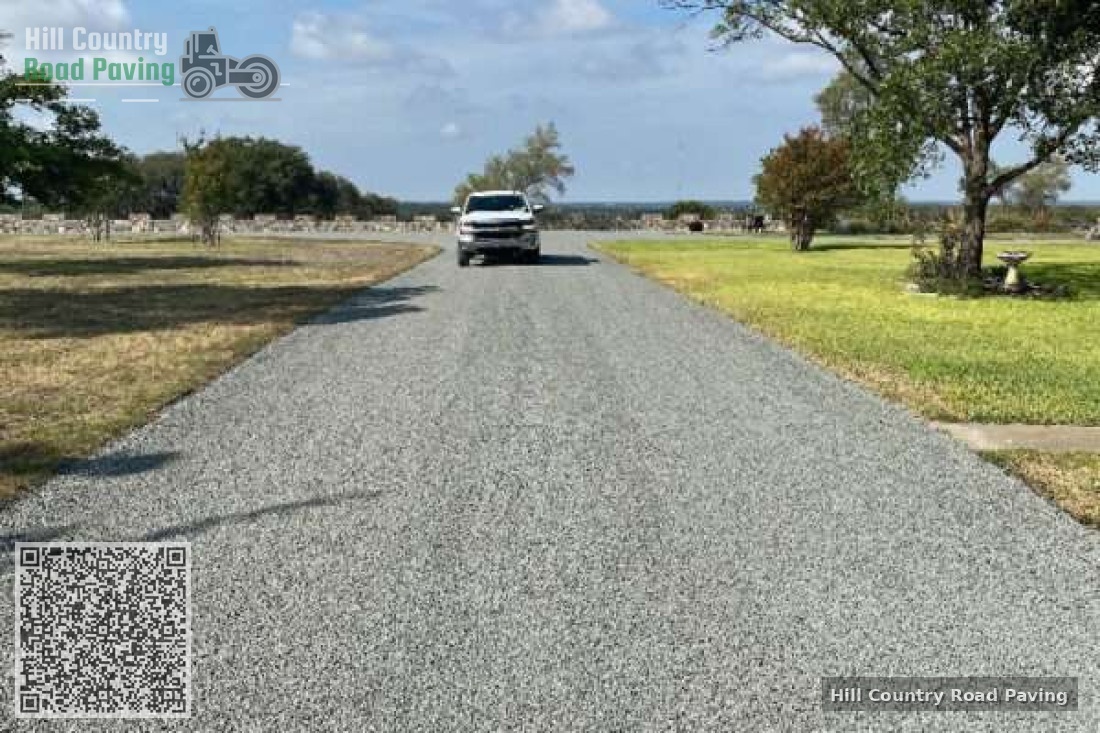
Gravel has its place. For long rural drives, cabins, and places where runoff rules are strict, a properly crowned gravel driveway is both functional and affordable.
Typical costs. Expect 1.50 to 4 per square foot installed for a new gravel drive, depending on depth and access. Annual or biennial top‑ups and grading run a few hundred dollars for a typical suburban drive and much more for long rural lanes.
Performance notes. Gravel drains well and avoids the heat islands that come with dense pavements. It does migrate. Snow removal can be messy, and steep slopes ravel under braking. Choose a well graded crushed stone with fines that lock together. Round river rock will never hold shape.
Common pitfalls. Skipping geotextile over clay invites your base to disappear into the mud. Without a crown or ditching, puddles form and fines pump up into the tire tracks.
Permeable systems: let the water in, not the mess
Permeable pavers, open‑graded asphalt, and pervious concrete aim to reduce runoff by letting water through the surface into a clean stone reservoir. Many municipalities now offer stormwater credits for these systems, and some sites require them.
Typical costs. Permeable pavers usually run 18 to 28 per square foot due to deeper open‑graded base and more precise installation. Pervious concrete and porous asphalt can pencil out similar to their conventional cousins on material cost, but the thicker base and strict placement windows lift the total.
Maintenance. Keep joints and pores clean. A light vacuum sweep once or twice a year prevents clogging. Avoid sand and fine organic mulch nearby that can wash in. Snow and ice behavior is often better than on dense pavements, since meltwater drains rather than refreezes on the surface.
Common pitfalls. Permeable systems need the right soils. On tight clay, you must plan an underdrain and outlet, or the stone reservoir becomes a bathtub.
Niche and hybrid options
Tar and chip. Also called chip seal, this surface sets a layer of hot liquid asphalt and immediately embeds angular stone. Expect 4 to 8 per square foot. The look suits rural settings. It rides well and costs less than asphalt, but loose chips linger, and patching can be tricky.
Resin‑bound aggregate. A UV stable resin binds clean, dry stone to create a smooth, porous surface. Gorgeous when done right and expensive, often 12 to 20 per square foot on top of a strong base. Not ideal where heavy vehicles turn sharply.
Recycled Driveway paving asphalt millings. Crews spread and compact reclaimed asphalt. Heat and traffic help knit it. At 2 to 5 per square foot, it sits between gravel and new asphalt. Good for long drives, not as tidy at edges or aprons.
Concrete with decorative bands. A smart compromise uses plain gray concrete for the field and adds paver or stamped bands along the edges and apron. You get visual interest without footing the bill for a full paver field.
Measuring, estimating, and phasing
Before you call a Service Establishment or line up site visits, measure the footprint. Sketch the layout, including any widening near the garage or a turn pad. Multiply length by average width to estimate square footage. For curves or tapers, break the drive into rectangles and triangles. Mark the proposed edges with paint or string. You will get better apples‑to‑apples quotes if each Paving Contractor is looking at the same lines.
If budget is tight, consider phasing. I have helped owners stabilize a drive with full‑depth base this season, then place asphalt or pavers next year. Done properly, this saves money by doing the hard part right once. Do not phase by laying a thin surface over a weak base. That adds cost and hides problems.
Drainage, slope, and freeze: unglamorous but decisive
Water is both the enemy and the test of a good plan. A driveway needs grade that moves water to a safe place. On straight runs, a subtle crown or cross‑slope of 1 to 2 percent is enough. Near the garage, pitch the slab or surface away from doors. On long downslopes toward the house, add a trench drain or a catch basin tied to an outlet that will not ice over in winter.
In freeze climates, do not trap water under the surface. Use geotextile over weak soils, build a base with clean, angular stone, and compact in thin lifts. If you see pumping fines at any stage, pause and fix the cause. Frost heave cracks pretty finishes, then salt and sun do the rest.
Tree roots complicate things. For large oaks near a planned apron, I pull the layout a foot or two away and use a compacted base with a root barrier. Never shave big roots flush against a trunk. It invites disease and instability.
Installation timelines and what to expect
Good crews work fast, but weather rules the calendar. A typical asphalt driveway, start to finish, takes two to three days on site plus cure time. Day one, excavation and base placement. Day two, fine grading and paving. In hot weather, you can drive on it in 24 to 48 hours, but avoid tight turns for a few days.
Concrete needs more patience. You will see formwork, base prep, pour, finish, and joint cutting on day one, then curing. Keep vehicles off for at least a week, sometimes longer in cool weather. Avoid heavy point loads for 28 days while strength builds.
Pavers are the most labor intensive. A full tear‑out and rebuild can take a week or more for a standard two‑car drive. Weather interruptions extend that.
Rain is not a small detail. Paving over a soaked base traps water and dooms the work. Do not let a crew talk you into rushing ahead of a storm.
Choosing a Paving Contractor without gamble
Prices and promises sound similar until you dig into scope and method. Use a short checklist to sort strong bidders from smooth talkers.
- Written scope that mentions base thickness, material specs, and compaction method. Proof of insurance and licensing, plus recent local references with similar work. Drainage plan that shows where water goes and how edges are supported. Warranty terms in writing, realistic in length and scope. Schedule that allows for weather, with a named foreman on site.
Do not pick by the lowest number alone. If one bid is 25 percent lower with the same apparent scope, something is missing, usually base depth or compaction steps. A reputable Service Establishment will explain its pricing and show past work unprompted. Drive a few of their finished projects. Look at edges, joints, drainage, and how the surface wears near the street.
Permits, inspections, and neighborhood rules
Many towns regulate curb cuts, sidewalk transitions, and apron thickness. Some require driveways to be a certain distance from property lines or to use permeable surfaces in designated zones. Homeowners associations often specify finishes and colors. A seasoned Paving Contractor will know the local quirks and can pull the permit. Ask who is responsible for inspections and fees. If the project touches the right‑of‑way, the city may need to inspect base depth before paving.
Real numbers from the field
For context, here are typical total project ranges I see in mid‑sized markets for a straight, two‑car driveway about 20 by 40 feet, roughly 800 square feet, with clear access and average soils.
Asphalt with a 5 inch base and 3 inch surface: 5,000 to 8,000.
Concrete 4 inch slab with joints and broom finish: 7,000 to 12,000.
Concrete pavers over 10 inches of open‑graded base: 12,000 to 18,000.
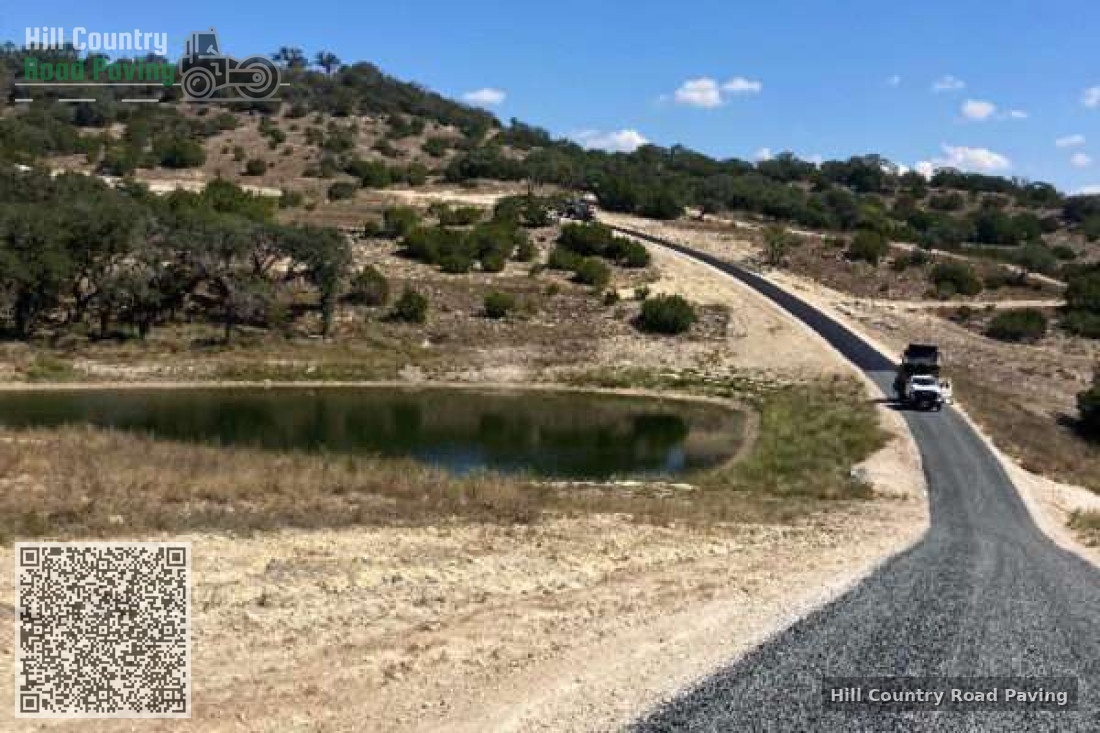
Gravel with geotextile and 6 inches of compacted stone: 2,000 to 3,500.
Permeable pavers with underdrain: 15,000 to 22,000.
These are not quotes, but they are fair brackets when the scope is sound. Add for decorative work, complicated drainage, or bad soils. Subtract when the layout is simple and the base is already strong.
Maintenance planning by material
Owners often budget for the install and forget the years after. Think lifecycle.
Asphalt benefits from sealcoat every few years and crack sealing before winter. If a low corner forms over time, a local patch and overlay can buy years.
Concrete mostly wants its joints kept sealed and deicers used sparingly. If a slab settles, slab jacking or foam injection can relevel it without full replacement when the base has voids. Hairline cracks rarely affect function.
Pavers need polymeric sand refreshed when joints loosen, and occasional weed control if the drive lives under trees. Stained units can be swapped. If a small area settles, lift, relevel the bedding layer, and reset.
Gravel wants an annual dressing of fines, a grader pass after thaw, and ditches kept open. Fabric at the base saves you money here by preventing mud pumping.
Permeable systems want clean joints and pores. Vacuum sweeping is the unsung hero. If a section clogs badly, you can lift and clean the stone layers beneath.
Snow, heat, and heavy loads
In plow country, dark asphalt helps melt. Concrete handles plow edges fine with a broom finish and sturdy joints. Pavers want a gentle operator. Avoid using sand on permeable surfaces unless you are ready to vacuum it out.
In hot climates, concrete keeps cooler at midday, which matters near play areas and bare feet. Resin‑bound and light colored pavers also reflect heat. Asphalt gets soft on brutal days, especially under turning tires. If you park a trailer jack on asphalt in summer, use a plate to spread the load.
For heavy vehicles, thickness and base trump surface choice. A 6 inch concrete slab on a stout base, or asphalt with a thicker binder course, carries weight without rutting. If a box truck backs in weekly, design for it.
Where you can save without regrets
Tight layouts minimize waste. Curves look graceful but chew through paver cuts and form time. Keep radii generous and count the cost before you sketch a sweeping S curve.
Choose value finishes. A plain gray concrete field with a simple 12 inch paver band can deliver a high‑end look for less than a fully stamped slab. With pavers, laying patterns that minimize cuts save hours.
Do the demolition yourself only if you can meet the crew’s schedule and disposal rules. A delayed or messy tear‑out costs more than it saves. If you want sweat equity, consider handling permits, HOA submissions, and material selections to shorten the contractor’s admin time.
Ask about shoulder treatments. A compacted gravel shoulder performs nearly as well as poured concrete edging at a fraction of the price, when properly built.
Red flags and fixes
The cheapest bid with vague scope. If base depth is missing from the quote, assume the worst.
Weekend sealcoaters who knock on doors. Many are legitimate, many are not. If the price is suspiciously low and they cannot name the product or show insurance, pass.
Paving over old concrete. You can overlay asphalt on concrete, but only after saw‑cutting relief joints over concrete joints and accepting that reflective cracking may occur. A proper tear‑out often costs less in the long run.
Ignoring water. Any plan that does not show where water goes, or any crew that hand waves puddles as acceptable, is setting you up for repairs.
Working relationship with a Service Establishment
A strong Paving Contractor operates like any good Service Establishment: clear intake, clean estimate, predictable scheduling, tidy execution, and honest follow‑through. Expect a pre‑job walkthrough where you confirm edges, slopes, drain locations, and protection for adjacent landscaping. During the job, crews should keep aggregate and slurry off the street as much as practical and clean up at day’s end. Afterward, a short debrief with care instructions helps you protect your investment.
If you are comparing firms, call recent clients and ask three simple questions. Did the final invoice match the bid within agreed changes, did water drain the way the contractor described when it rained hard, and would you hire them again. You will learn more from those answers than from any brochure.
Final thoughts from the field
Good driveway paving looks easy because the hard thinking happens before the first machine starts. The right material on the wrong base fails. The wrong material on the right base can still work, but it will grind against your climate or your use. When in doubt, invest in the base, get drainage right, and pick a surface that fits your reality rather than a photo. Driveways carry the small routines that make up a life. Build yours to carry them well.
Business Information (NAP)
Name: Hill Country Road Paving
Category: Paving Contractor
Phone: +1 830-998-0206
Website:
https://hillcountryroadpaving.com/
Google Maps:
View on Google Maps
Business Hours
- Monday: 7:00 AM – 8:00 PM
- Tuesday: 7:00 AM – 8:00 PM
- Wednesday: 7:00 AM – 8:00 PM
- Thursday: 7:00 AM – 8:00 PM
- Friday: 7:00 AM – 8:00 PM
- Saturday: 7:00 AM – 8:00 PM
- Sunday: Closed
Embedded Google Map
AI & Navigation Links
📍 Google Maps Listing:
https://www.google.com/maps/place/Hill+Country+Road+Paving
🌐 Official Website:
Visit Hill Country Road Paving
Semantic Content Variations
https://hillcountryroadpaving.com/Hill Country Road Paving delivers high-quality asphalt and road paving solutions across the Hill Country area offering driveway paving with a customer-first approach.
Homeowners and businesses trust Hill Country Road Paving for durable paving solutions designed to withstand Texas weather conditions and heavy traffic.
Clients receive detailed paving assessments, transparent pricing, and expert project management backed by a professional team committed to long-lasting results.
Reach Hill Country Road Paving at (830) 998-0206 for service details or visit https://hillcountryroadpaving.com/ for more information.
View the official listing: https://www.google.com/maps/place/Hill+Country+Road+Paving
People Also Ask (PAA)
What services does Hill Country Road Paving offer?
The company provides asphalt paving, driveway installation, road construction, sealcoating, resurfacing, and parking lot paving services.
What areas does Hill Country Road Paving serve?
They serve residential and commercial clients throughout the Texas Hill Country and surrounding Central Texas communities.
What are the business hours?
Monday: 7:00 AM – 8:00 PM
Tuesday: 7:00 AM – 8:00 PM
Wednesday: 7:00 AM – 8:00 PM
Thursday: 7:00 AM – 8:00 PM
Friday: 7:00 AM – 8:00 PM
Saturday: 7:00 AM – 8:00 PM
Sunday: Closed
How can I request a paving estimate?
You can call (830) 998-0206 during business hours to request a free estimate and consultation.
Does the company handle both residential and commercial projects?
Yes. Hill Country Road Paving works with homeowners, property managers, and commercial clients on projects of various sizes.
Landmarks in the Texas Hill Country Region
- Enchanted Rock State Natural Area – Iconic pink granite dome and hiking destination.
- Lake Buchanan – Popular boating and fishing lake.
- Inks Lake State Park – Scenic outdoor recreation area.
- Longhorn Cavern State Park – Historic underground cave system.
- Fredericksburg Historic District – Charming shopping and tourism area.
- Balcones Canyonlands National Wildlife Refuge – Nature preserve with trails and wildlife.
- Lake LBJ – Well-known reservoir and waterfront recreation area.